

The Complete Guide to Commercial Property Maintenance
In today’s competitive business landscape, first impressions are everything. Whether you operate a retail center, office complex, industrial facility, or mixed-use development, the condition of your property speaks volumes about your brand before a single word is exchanged. This is where comprehensive commercial property maintenance becomes not just a necessity, but a strategic investment in your business’s success.
Understanding Commercial Property Maintenance
Commercial property maintenance encompasses the systematic care, upkeep, and preservation of business facilities and their surrounding grounds. Unlike residential maintenance, commercial property maintenance operates on a larger scale and carries different stakes. A well-maintained commercial property protects your investment, ensures tenant satisfaction, maintains compliance with local regulations, and creates an environment that attracts customers and quality tenants.
The scope of property maintenance extends far beyond simple repairs. It involves preventive care, routine inspections, emergency response, and long-term strategic planning. From the roof over your building to the landscaping at your entrance, every element requires attention and expertise to function optimally.
The Critical Role of Ground Maintenance
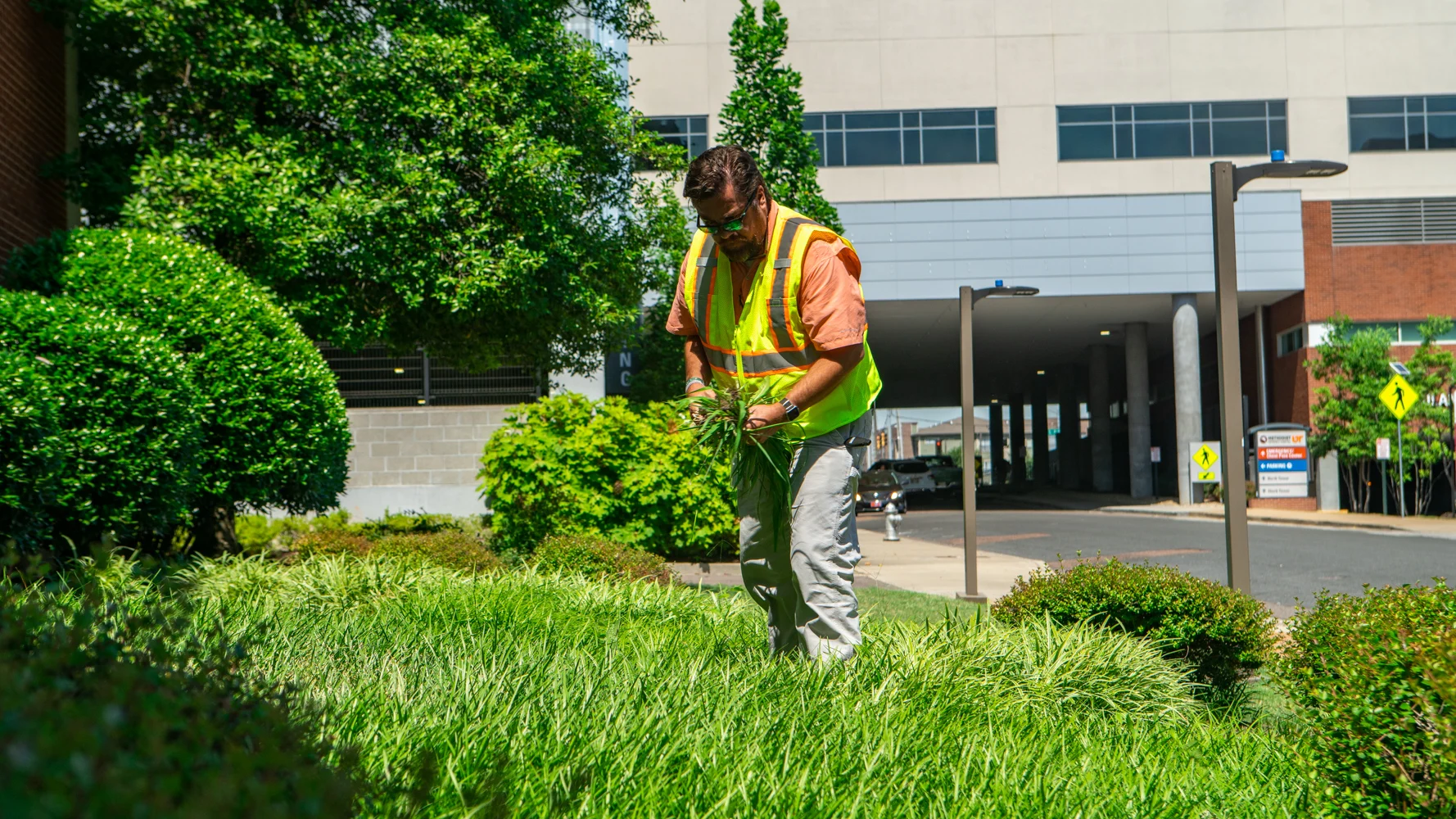
When we discuss commercial property maintenance, ground maintenance often serves as the foundation of a property’s curb appeal and functionality. Ground maintenance includes landscaping, lawn care, irrigation management, parking lot upkeep, sidewalk maintenance, and seasonal services like snow removal.
Your grounds are the first thing visitors, customers, and tenants encounter. Overgrown landscaping, cracked pavement, or neglected outdoor spaces send a clear message about your priorities. Conversely, pristine ground maintenance demonstrates professionalism, attention to detail, and respect for those who visit or work at your property.
Professional ground maintenance also addresses safety concerns. Uneven walkways, poor drainage, inadequate lighting, and neglected parking areas create liability risks that can result in injuries and costly lawsuits. Regular ground maintenance identifies and addresses these hazards before they become problems.
Key Components of Effective Property Maintenance
A comprehensive property maintenance strategy addresses multiple areas simultaneously. The building envelope requires regular inspection and maintenance, including roofing systems, exterior walls, windows, and doors. Even small issues like a minor roof leak can escalate into major structural damage if left unaddressed.
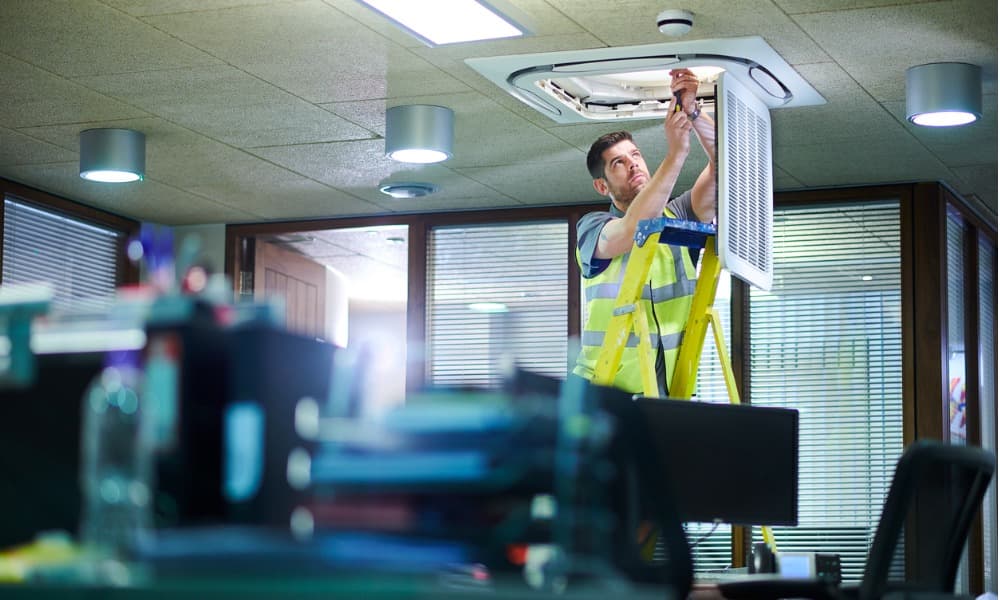
HVAC systems demand consistent attention to ensure energy efficiency and occupant comfort. Regular filter changes, seasonal tune-ups, and prompt repairs extend equipment life and prevent costly emergency replacements during extreme weather.
Plumbing and electrical systems form the backbone of any commercial facility. Preventive maintenance catches small leaks before they become floods and identifies electrical hazards before they cause fires or power outages. These systems require licensed professionals who understand commercial codes and safety requirements.
The interior spaces also require ongoing care. Flooring, walls, lighting, and common areas need regular cleaning and periodic updates to maintain a professional appearance. High-traffic areas show wear more quickly and may require more frequent attention.
The Business Case for Professional Property Maintenance
Many property owners question whether professional property maintenance services justify their cost. The answer becomes clear when you consider the alternatives. Deferred maintenance doesn’t save money; it merely postpones expenses while allowing problems to worsen and multiply.
Consider a simple example: a minor roof leak might cost a few hundred dollars to repair immediately. Ignore it, and you’re looking at water damage to insulation, ceiling tiles, potentially sensitive equipment, and mold remediation. That initial savings of a few hundred dollars can quickly balloon into tens of thousands in repair costs, not to mention business interruption and potential health hazards.
Professional commercial property maintenance providers bring expertise, efficiency, and accountability. They maintain relationships with specialized contractors, understand building systems, and can often identify problems before they become emergencies. This proactive approach reduces long-term costs and extends the useful life of building systems and components.
Creating a Comprehensive Maintenance Strategy
Successful property maintenance begins with a detailed plan. Start by conducting a thorough property assessment to identify current conditions and potential concerns. This assessment should cover all building systems, grounds, safety features, and compliance requirements.
Develop a maintenance schedule that includes daily, weekly, monthly, quarterly, and annual tasks. Daily tasks might include trash removal and basic cleaning. Weekly tasks could involve landscape care and facility inspections. Monthly activities might include HVAC filter changes and safety equipment testing. Quarterly and annual tasks typically involve more comprehensive system inspections and preventive maintenance.
Budget appropriately for both routine maintenance and capital improvements. A general rule suggests allocating one to four percent of your property’s value annually for maintenance, depending on the building’s age, condition, and use. This investment protects your larger investment and prevents the deterioration that reduces property value.
Ground Maintenance Best Practices
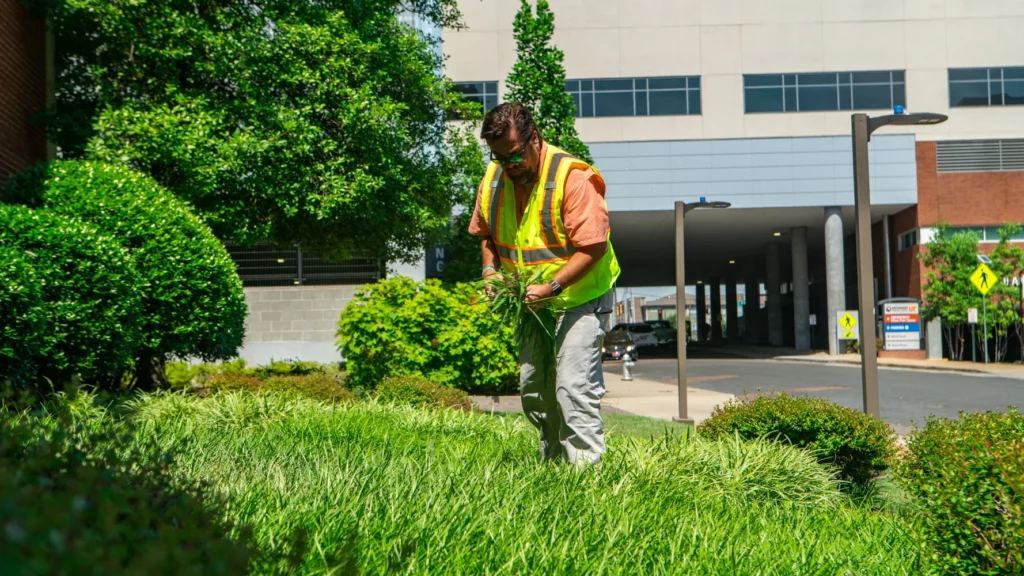
Effective ground maintenance requires understanding your property’s specific needs and local climate conditions. Irrigation systems should be professionally designed and maintained to conserve water while keeping landscapes healthy. Smart irrigation controllers can reduce water usage by up to thirty percent while improving plant health.
Seasonal considerations are crucial for ground maintenance. Spring requires cleanup, mulching, and preparation for the growing season. Summer demands consistent mowing, edging, and irrigation management. Fall focuses on leaf removal, winterization, and planting for spring color. Winter in many climates requires snow and ice management to ensure safe access.
Hardscape maintenance is equally important. Parking lots need regular sweeping, crack sealing, and periodic resurfacing. Sidewalks require inspection for trip hazards and prompt repairs. Proper drainage prevents water accumulation that damages paving and creates safety hazards.
Choosing the Right Maintenance Partner
Selecting a commercial property maintenance provider requires careful consideration. Look for companies with proven experience in your property type, comprehensive insurance coverage, and strong references from similar properties. The ideal partner offers a full range of services, reducing the need to coordinate multiple vendors.
Communication and responsiveness separate great maintenance providers from adequate ones. You need a partner who responds quickly to emergencies, provides clear reporting on work completed, and proactively suggests improvements. Technology integration, such as online portals for service requests and digital maintenance logs, improves efficiency and transparency.
Request detailed proposals that outline specific services, response times, and quality standards. Ask about their ground maintenance capabilities, including equipment, staff training, and seasonal service offerings. A quality provider should be willing to customize their services to your property’s unique needs rather than offering a one-size-fits-all package.
Technology and Sustainability in Modern Property Maintenance
Today’s property maintenance landscape embraces both technological innovation and environmental responsibility. Smart building systems monitor HVAC performance, detect water leaks, and optimize energy consumption in real-time, shifting the focus from reactive repairs to predictive maintenance. Even ground maintenance benefits from advances like soil moisture sensors that optimize irrigation schedules and GPS-enabled equipment ensuring consistent service quality.
Sustainability principles now drive many commercial property maintenance decisions. Green ground maintenance practices reduce environmental impact while often lowering costs. Native plantings require less water and maintenance than traditional landscapes, while organic lawn care programs eliminate harmful chemical runoff. LED lighting upgrades in parking areas dramatically reduce energy consumption, and many municipalities offer incentives for properties implementing water-saving measures.
Protecting Your Investment for the Long Term
Commercial property maintenance isn’t simply about addressing today’s needs; it’s about preserving value for years to come. Properties that receive consistent, quality maintenance command higher rents, attract better tenants, and sell for premium prices. Consider maintenance as insurance for your property investment—every season of deferred ground maintenance, every ignored repair, and every postponed upgrade increases the likelihood of catastrophic failure and expensive emergency repairs.
Documentation of maintenance history also adds significant value. Prospective buyers or tenants appreciate detailed records showing consistent care, demonstrating that your property has been professionally managed and reducing uncertainty about hidden problems.
Your Property Deserves Excellence
Commercial property maintenance, encompassing everything from comprehensive ground maintenance to sophisticated building systems care, represents the difference between properties that thrive and those that merely survive. In competitive real estate markets, maintenance excellence isn’t optional—it’s essential for protecting investments, satisfying tenants, attracting customers, and maximizing returns.
By partnering with experienced property maintenance professionals and implementing strategic maintenance planning, property owners position themselves for sustained success. Your property is a significant investment that deserves the consistent care and attention that only comprehensive maintenance programs can provide. The question isn’t whether you can afford professional property maintenance services, it’s whether you can afford to operate without them.
Start today with BoxNJ!