What Size Dumpster Do I Need?
If you’ve ever stood in the middle of a home renovation project surrounded by torn-out drywall, old flooring, and busted cabinets, you’ve probably asked yourself the same question every homeowner eventually asks: what size dumpster do I need? It’s not a glamorous question, but it might be one of the most practical ones you’ll ask during your entire project. Getting the size wrong means either running out of space halfway through or overpaying for a container that’s half-empty at pickup.
This guide is built specifically for New Jersey homeowners who want a straight answer, and a smart one.
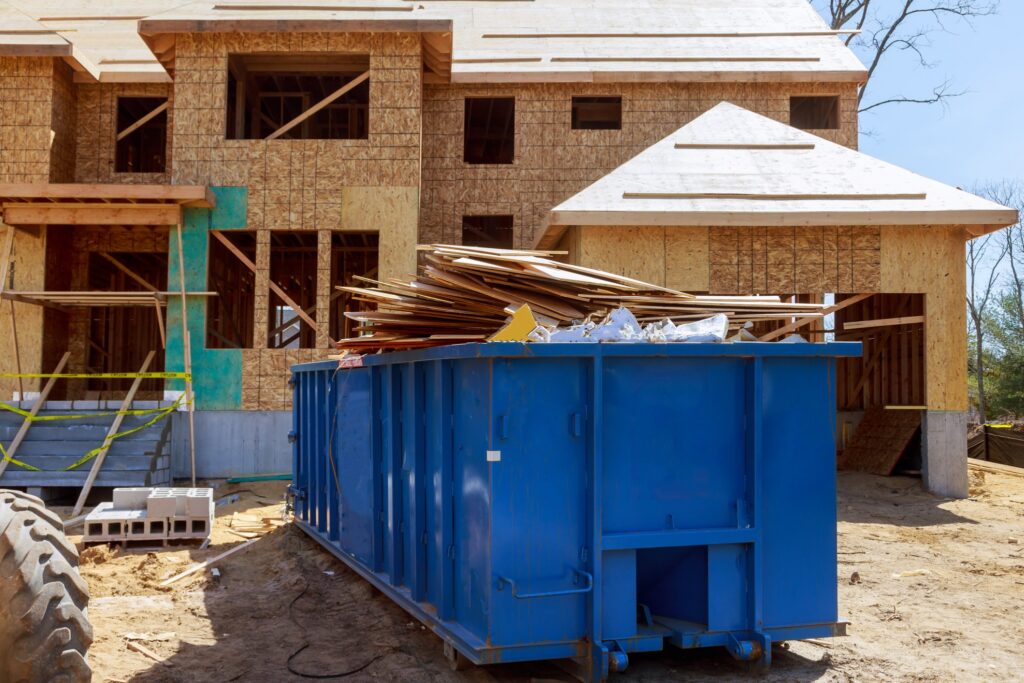
Why Dumpster Size Actually Matters More Than You Think
Most people treat dumpster rental as an afterthought. They book the first option they find, cross their fingers, and hope for the best. But dumpster size directly affects your budget, your project timeline, and in some cases, your ability to legally park the container on your property or street.
Renting a dumpster that’s too small forces you to either schedule an additional pickup (which costs extra) or make multiple trips to a local dump yourself, completely defeating the purpose. Renting one that’s too large means you’re paying for unused cubic yardage and potentially dealing with a container that doesn’t fit in your driveway.
The right size dumpster keeps your home renovation moving efficiently from demo day to final cleanup.
Breaking Down Dumpster Sizes: A Quick Overview
Dumpsters are measured in cubic yards, which refers to the volume of debris they can hold. Here’s a general breakdown of the most common sizes:
10 Yard Dumpster: Best for small cleanouts, bathroom remodels, or single-room projects. Holds roughly 3 pickup truck loads of debris. Great for light work but gets overwhelmed quickly by heavy construction waste.
20 Yard Dumpster: The sweet spot for most residential home renovation projects. Holds approximately 6 pickup truck loads and handles everything from kitchen gut jobs to multi-room flooring replacements. This is the most commonly rented size in New Jersey for a reason.
30 Yard Dumpster: Ideal for large-scale additions, full home cleanouts, or new construction. More space than most standard renovation projects need, but invaluable when you’re gutting an entire floor or doing a major addition.
40 Yard Dumpster: Commercial-grade capacity. Typically reserved for large construction sites, commercial builds, or whole-house demolitions.
For the majority of New Jersey homeowners tackling a meaningful home renovation, they think about kitchen remodeling, basement gutting, multi-room flooring, roof replacement, or additions. A 20 yard dumpster hits the mark nearly every time.
What Size Dumpster Do I Need for Common NJ Home Renovation Projects?
Here’s a practical breakdown by project type to help you figure out what size dumpster you need before you ever pick up the phone:
Kitchen Renovation: Cabinets, countertops, old appliances, tile flooring, and drywall add up fast. A 20 yard dumpster is almost always the right call here, particularly in older New Jersey homes where you’re dealing with multiple layers of flooring and original plaster walls.
Bathroom Remodel: Smaller scope usually means a 10-yard container can handle it, but if you’re doing a master bath gut that includes tile walls, a vanity, tub removal, and subfloor work, bump up to a 20 yard area to be safe.
Basement Cleanout or Finishing: Old furniture, paneling, drop ceilings, and moisture-damaged materials make basement projects deceptively heavy. A 20 yard dumpster is the safe, practical choice.
Roof Replacement: Shingles are heavy, surprisingly heavy. A standard roof tear-off on a colonial or cape cod in NJ typically fills a 10 to 20 yard dumpster depending on the number of layers being removed. Most roofers will specify what they need, but 20 yards gives you breathing room.
Full Home Renovation or Addition: Go 30 yards. When you’re touching multiple rooms, structural elements, and dealing with mixed debris over weeks, you need the capacity.

Renting a 20 Yard Dumpster in NJ: What You Need to Know
New Jersey has its own quirks when it comes to dumpster rentals, and being informed upfront saves you headaches down the line.
Permits: If you’re placing a 20 yard dumpster in NJ on a public street or sidewalk, most municipalities require a permit. Towns across Bergen County, Monmouth County, Essex County, and beyond each have their own rules. Always check with your local municipality before drop-off. Placing a container in your driveway typically skips this requirement entirely.
Weight Limits: Every dumpster rental comes with a weight allowance included in the base price. For a 20 yard dumpster in NJ, that limit typically falls between 2 to 4 tons depending on the provider. Heavy materials like concrete, brick, and roofing shingles add up faster than you expect. If you exceed the limit, you’ll pay overage charges by the ton so be upfront with your rental company about what you’re disposing of.
Prohibited Items: Regardless of what size dumpster you need, certain materials are universally banned from dumpsters in New Jersey. These include hazardous waste, paint, tires, refrigerants, batteries, and anything containing asbestos. If your older NJ home has materials you’re uncertain about, get them tested before assuming they can go in the bin.
Rental Period: Most dumpster rental companies in NJ offer a standard 7 to 10 day rental window. If your home renovation is running long, extensions are usually available so just confirm the daily rate upfront.
Placement: Think carefully about where you want the dumpster dropped. You want it close enough to your work area to minimize carrying distance but positioned so it doesn’t block traffic, damage your lawn, or sit under power lines. Placing plywood under the container protects your driveway from scratches and marks.
Getting the Most Out of Your Dumpster Rental During a Home Renovation
Once you’ve nailed down the right size, a few smart loading habits will maximize every cubic yard:
Break things down. Flat-pack what you can. Doors, cabinet faces, and large panels take up far less room when they’re laid flat rather than tossed in at an angle.
Load heavy items first. Dense materials like tile, concrete, and drywall go on the bottom. Lighter debris such as insulation, packaging, and wood scraps fill in the gaps on top.
Don’t overfill. New Jersey regulations (and most rental agreements) prohibit debris from exceeding the top rim of the container. Overfilled dumpsters can’t legally be transported.
Separate recyclable materials when possible. Some materials like clean concrete, metal, clean wood may qualify for recycling, which can reduce your overall disposal costs in certain cases.
The Bottom Line for NJ Homeowners
When you’re planning a home renovation in New Jersey and trying to figure out what size dumpster you need, the 20 yard dumpster is the answer for a wide range of projects. It’s versatile, it’s the industry standard for residential work, and it gives you the capacity to work without constantly second-guessing whether you’re running out of space.
Do your homework on local permits, be honest with your rental company about your materials, and load the container strategically. Do those three things, and your debris removal will be the least stressful part of your entire renovation.
BoxNJ will handle your renovation disposal needs!